True Story Based
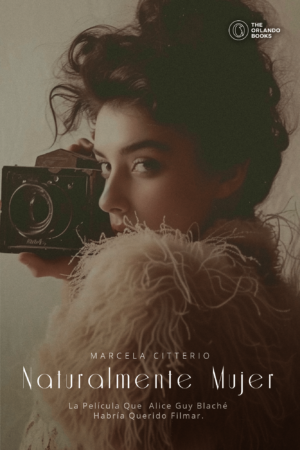
1896. Siglo XX. Alice Guy se convertía en la primera directora de cine en la historia. Había logrado demasiado para su época. Pero quería lograr lo que nadie había podido: que el mundo sepa que había sido ella, no alguien más, con su talento, fuerza, pasión y determinación… siendo naturalmente mujer.
2024. Nueva Jersey, Estados Unidos. Frente a la ventana de la habitación principal de la planta alta, esa que parece invitar a la copa del árbol frondoso en la vereda a ser parte de la familia, Julia, de ochenta y tantos años, sostiene una caja entre sus manos como si fuese un tesoro, mientras que su nieta Emily la escucha atentamente a sus espaldas:
— ¿Sabes quién fue Alice Guy Blaché?
— No, abuela…
— Yo sí. Y tú eres abogada. Y es hora de hacer justicia.
Esa noche, en su despacho, la joven doctora en leyes revisa el material que le entregara su abuela como una reliquia. Observa con curiosidad, entre algunos manuscritos firmados por Alice Blaché, la mujer misteriosa de la que oyó hablar más temprano, algunas cintas grabadas en 1965, en 70 mm en blanco y negro. Ansiosa por la intriga que le generó su abuela, y sabiendo que cuenta con un contacto en el museo para poder reproducirlas, al otro día, se dispone a ver la que indica es la número 1 en el orden de reproducción debido. En ella, su abuela más joven y otra mujer bella y del mismo carácter pícaro y animado pero de entrada edad, brindan con alcohol y se dirigen a cámara:
Soy Alice Blaché. Y ella es mi amiga, la periodista Julia Stuart. Y ambas tenemos un pacto: esta cinta debe abrirse en el siglo que viene… el siglo XXI, cuando las generaciones que nos sucedan estén listas para darle a la mujer el lugar que se merece…
Y vuelven a brindar.
— Cuando podamos ser visibles… como las películas de mi querida Alice: la primera directora de cine del mundo… — agrega la periodista.
Narrada en primera persona y como si fuera recreando el relato de su protagonista, Alice da cuenta de su vida desde los inicios hasta antes de su fin, en donde graba estos “off the record” sin que nadie lo sepa, pero a sabiendas de que sus colegas varones buscarían borrarla, y entrega muchísimos otros a Julia, que se creen perdidos de su trabajo, luego de una nota periodística formal que le otorga a su amiga para el medio en el cual se desempeña.
Allí consta la verdad sobre su carrera, esa que, en medio de un mundo liderado por hombres, quisieron hacer desaparecer por el simple hecho de que Madame Blaché logró mucho antes lo que ellos no pudieron, convirtiéndose además, en una mujer exitosa.
Al relato, lo acompañarán cintas inéditas que dan cuenta de su presencia en los sets de filmación y permiten testimoniar que lo que sostiene es absolutamente cierto. Material que jamás entregó a nadie a lo largo de sus más de noventa años, salvo a su entrañable amiga Julia antes de su deceso.
Criada en conventos de monjas, con hermanos amados, pero siendo cuestionada como hija extramatrimonial, termina viviendo su infancia junto a su abuela en Francia, su país natal, pero tiempo más tarde, a pesar del reclamo por volver a estar juntas de su madre, y enamorada de un hombre sesenta años mayor que no la correspondió en sus sentimientos, seguirá su consejo y se convertirá en mecanógrafa, siendo esta profesión la que le abra las puertas a la secretaría de la empresa Gaumont y la incipiente industria del cine.
Inspirada, tras observar la filmación de los obreros saliendo de la fábrica de los hermanos Lúmiere, descubre que quiere ser quien dirija este tipo de materiales pero con una característica única, inédita y particular: contar historias. Fundarse como la pionera, como la “madre del cine narrativo”. No se detendrá. Desde “El hada de los repollos”, su primer trabajo como directora de cine, en adelante, forjará una industria que es imperio al día de hoy.
En el medio, el desprecio solapado de sus pares que fue in crescendo, el amor, la familia, las infidelidades y la dicotomía entre la profesión y los hijos marcarán el rumbo de su vida. Sin embargo, hay una guerra que sostendrá Alice en el tiempo, y por la cual se dispondrá a luchar mucho antes de que las mujeres actuales comenzaran a reclamar su lugar en este mundo: que no la hagan desaparecer.
Porque “ser natural”, como ella sostenía, es todo lo contrario a ser falso. Y ella es real, tan real como las imágenes que dirigió para que el mundo la pueda ver.
2024. Nueva Jersey, Estados Unidos. Frente a la ventana de la habitación principal de la planta alta, esa que parece invitar a la copa del árbol frondoso en la vereda a ser parte de la familia, Julia, de ochenta y tantos años, sostiene una caja entre sus manos como si fuese un tesoro, mientras que su nieta Emily la escucha atentamente a sus espaldas:
— ¿Sabes quién fue Alice Guy Blaché?
— No, abuela…
— Yo sí. Y tú eres abogada. Y es hora de hacer justicia.
Esa noche, en su despacho, la joven doctora en leyes revisa el material que le entregara su abuela como una reliquia. Observa con curiosidad, entre algunos manuscritos firmados por Alice Blaché, la mujer misteriosa de la que oyó hablar más temprano, algunas cintas grabadas en 1965, en 70 mm en blanco y negro. Ansiosa por la intriga que le generó su abuela, y sabiendo que cuenta con un contacto en el museo para poder reproducirlas, al otro día, se dispone a ver la que indica es la número 1 en el orden de reproducción debido. En ella, su abuela más joven y otra mujer bella y del mismo carácter pícaro y animado pero de entrada edad, brindan con alcohol y se dirigen a cámara:
Soy Alice Blaché. Y ella es mi amiga, la periodista Julia Stuart. Y ambas tenemos un pacto: esta cinta debe abrirse en el siglo que viene… el siglo XXI, cuando las generaciones que nos sucedan estén listas para darle a la mujer el lugar que se merece…
Y vuelven a brindar.
— Cuando podamos ser visibles… como las películas de mi querida Alice: la primera directora de cine del mundo… — agrega la periodista.
Narrada en primera persona y como si fuera recreando el relato de su protagonista, Alice da cuenta de su vida desde los inicios hasta antes de su fin, en donde graba estos “off the record” sin que nadie lo sepa, pero a sabiendas de que sus colegas varones buscarían borrarla, y entrega muchísimos otros a Julia, que se creen perdidos de su trabajo, luego de una nota periodística formal que le otorga a su amiga para el medio en el cual se desempeña.
Allí consta la verdad sobre su carrera, esa que, en medio de un mundo liderado por hombres, quisieron hacer desaparecer por el simple hecho de que Madame Blaché logró mucho antes lo que ellos no pudieron, convirtiéndose además, en una mujer exitosa.
Al relato, lo acompañarán cintas inéditas que dan cuenta de su presencia en los sets de filmación y permiten testimoniar que lo que sostiene es absolutamente cierto. Material que jamás entregó a nadie a lo largo de sus más de noventa años, salvo a su entrañable amiga Julia antes de su deceso.
Criada en conventos de monjas, con hermanos amados, pero siendo cuestionada como hija extramatrimonial, termina viviendo su infancia junto a su abuela en Francia, su país natal, pero tiempo más tarde, a pesar del reclamo por volver a estar juntas de su madre, y enamorada de un hombre sesenta años mayor que no la correspondió en sus sentimientos, seguirá su consejo y se convertirá en mecanógrafa, siendo esta profesión la que le abra las puertas a la secretaría de la empresa Gaumont y la incipiente industria del cine.
Inspirada, tras observar la filmación de los obreros saliendo de la fábrica de los hermanos Lúmiere, descubre que quiere ser quien dirija este tipo de materiales pero con una característica única, inédita y particular: contar historias. Fundarse como la pionera, como la “madre del cine narrativo”. No se detendrá. Desde “El hada de los repollos”, su primer trabajo como directora de cine, en adelante, forjará una industria que es imperio al día de hoy.
En el medio, el desprecio solapado de sus pares que fue in crescendo, el amor, la familia, las infidelidades y la dicotomía entre la profesión y los hijos marcarán el rumbo de su vida. Sin embargo, hay una guerra que sostendrá Alice en el tiempo, y por la cual se dispondrá a luchar mucho antes de que las mujeres actuales comenzaran a reclamar su lugar en este mundo: que no la hagan desaparecer.
Porque “ser natural”, como ella sostenía, es todo lo contrario a ser falso. Y ella es real, tan real como las imágenes que dirigió para que el mundo la pueda ver.
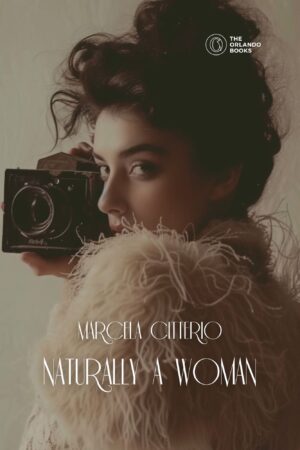
The story that Alice Guy Blaché would have wanted to film. By Marcela Citterio & Carolina Parmo.
1896. 20th century. Alice Guy became the first female film director in history. She had achieved too much for her time. But she wanted to achieve what no one else had been able to: to let the world know that it had been her, not someone else, with her talent, strength, passion and determination... being naturally a woman.
2024. New Jersey, United States. In front of the window of the upstairs master bedroom, the one that seems to invite the leafy treetop on the sidewalk to be part of the family, Julia, in her eighties, holds a box in her hands as if it were a treasure, while her granddaughter Emily listens attentively behind her back:
- Do you know who Alice Guy Blaché was?
- No, Grandma...
- I do. And you are a lawyer. And it's time to do justice.
That night, in her office, the young doctor of law looks through the material given to her by her grandmother as an heirloom. She curiously observes, among some manuscripts signed by Alice Blaché, the mysterious woman she heard about earlier, some tapes recorded in 1965, in 70 mm black and white. Anxious because of the intrigue generated by her grandmother, and knowing that she has a contact at the museum to be able to reproduce them, the next day, she sets out to see what she indicates is number 1 in the proper order of reproduction. In it, his younger grandmother and another beautiful woman of the same lively, mischievous character, but older, toast with alcohol and address the camera:
I'm Alice Blaché. And this is my friend, journalist Julia Stuart. And we both have a pact: this tape must be opened in the next century... the 21st century, when the generations that will succeed us will be ready to give women the place they deserve...
And they toast again.
- When we can be visible... like the films of my dear Alice: the first female film director in the world... - adds the journalist.
Narrated in first person and as if she were recreating the story of her protagonist, Alice gives an account of her life from the beginning to the end, where she records these “off the record” without anyone knowing it, but knowing that her male colleagues would try to erase her, and gives many others to Julia, who believe they are lost from her work, after a formal journalistic note that she gives to her friend for the media in which she works.
Therein lies the truth about her career, that which, in the midst of a world led by men, they wanted to make disappear for the simple fact that Madame Blaché achieved much earlier what they could not, becoming, in addition, a successful woman.
The story will be accompanied by unpublished tapes that show his presence on the film sets and allow us to testify that what he says is absolutely true. Material that she never gave to anyone throughout her more than ninety years, except to her dear friend Julia before her death.
Raised in nuns' convents, with beloved siblings, but being questioned as an extramarital daughter, she ends up living her childhood with her grandmother in France, her native country, but some time later, despite her mother's demand to be together again, and in love with a man sixty years older who did not reciprocate her feelings, she will follow his advice and become a typist, being this profession the one that opens the doors to the Gaumont company's secretary and the incipient film industry.
Inspired, after observing the filming of the workers leaving the factory of the Lúmiere brothers, she discovers that she wants to be the one who directs this type of material but with a unique, unprecedented and particular characteristic: to tell stories. To establish herself as the pioneer, as the “mother of narrative cinema”. She will not stop. From “The Cabbage Patch Fairy”, her first work as a film director, onwards, she will forge an industry that is an empire to this day.
In between, the underhanded contempt of her peers that was in crescendo, love, family, infidelities and the dichotomy between profession and children will mark the course of her life. However, there is a war that will sustain Alice in time, and for which she will be ready to fight long before the current women began to claim their place in this world: not to be made to disappear.
Because “being natural”, as she argued, is the opposite of being fake. And she is real, as real as the images she directed for the world to see.
1896. 20th century. Alice Guy became the first female film director in history. She had achieved too much for her time. But she wanted to achieve what no one else had been able to: to let the world know that it had been her, not someone else, with her talent, strength, passion and determination... being naturally a woman.
2024. New Jersey, United States. In front of the window of the upstairs master bedroom, the one that seems to invite the leafy treetop on the sidewalk to be part of the family, Julia, in her eighties, holds a box in her hands as if it were a treasure, while her granddaughter Emily listens attentively behind her back:
- Do you know who Alice Guy Blaché was?
- No, Grandma...
- I do. And you are a lawyer. And it's time to do justice.
That night, in her office, the young doctor of law looks through the material given to her by her grandmother as an heirloom. She curiously observes, among some manuscripts signed by Alice Blaché, the mysterious woman she heard about earlier, some tapes recorded in 1965, in 70 mm black and white. Anxious because of the intrigue generated by her grandmother, and knowing that she has a contact at the museum to be able to reproduce them, the next day, she sets out to see what she indicates is number 1 in the proper order of reproduction. In it, his younger grandmother and another beautiful woman of the same lively, mischievous character, but older, toast with alcohol and address the camera:
I'm Alice Blaché. And this is my friend, journalist Julia Stuart. And we both have a pact: this tape must be opened in the next century... the 21st century, when the generations that will succeed us will be ready to give women the place they deserve...
And they toast again.
- When we can be visible... like the films of my dear Alice: the first female film director in the world... - adds the journalist.
Narrated in first person and as if she were recreating the story of her protagonist, Alice gives an account of her life from the beginning to the end, where she records these “off the record” without anyone knowing it, but knowing that her male colleagues would try to erase her, and gives many others to Julia, who believe they are lost from her work, after a formal journalistic note that she gives to her friend for the media in which she works.
Therein lies the truth about her career, that which, in the midst of a world led by men, they wanted to make disappear for the simple fact that Madame Blaché achieved much earlier what they could not, becoming, in addition, a successful woman.
The story will be accompanied by unpublished tapes that show his presence on the film sets and allow us to testify that what he says is absolutely true. Material that she never gave to anyone throughout her more than ninety years, except to her dear friend Julia before her death.
Raised in nuns' convents, with beloved siblings, but being questioned as an extramarital daughter, she ends up living her childhood with her grandmother in France, her native country, but some time later, despite her mother's demand to be together again, and in love with a man sixty years older who did not reciprocate her feelings, she will follow his advice and become a typist, being this profession the one that opens the doors to the Gaumont company's secretary and the incipient film industry.
Inspired, after observing the filming of the workers leaving the factory of the Lúmiere brothers, she discovers that she wants to be the one who directs this type of material but with a unique, unprecedented and particular characteristic: to tell stories. To establish herself as the pioneer, as the “mother of narrative cinema”. She will not stop. From “The Cabbage Patch Fairy”, her first work as a film director, onwards, she will forge an industry that is an empire to this day.
In between, the underhanded contempt of her peers that was in crescendo, love, family, infidelities and the dichotomy between profession and children will mark the course of her life. However, there is a war that will sustain Alice in time, and for which she will be ready to fight long before the current women began to claim their place in this world: not to be made to disappear.
Because “being natural”, as she argued, is the opposite of being fake. And she is real, as real as the images she directed for the world to see.